May 12, 2026
When most people think of the roads they travel or the parking lots they frequent, they rarely consider the complex engineering and fascinating history beneath their tires. Asphalt has become the backbone of modern infrastructure, yet it remains one of the most misunderstood materials in the construction world. From its origins in ancient civilizations to the precise chemical engineering required to lay it today, the reality of this substance is far more intriguing than a simple black surface. By exploring the nuances of asphalt paving, we can gain a newfound appreciation for the silent, durable, and highly sustainable technology that keeps our society moving every single day. This article aims to pull back the curtain on the surprising facts surrounding this ubiquitous material, challenging your assumptions about how your local driveways and highways are truly created.
Uncovering The Ancient History Of Bitumen
Long before modern machinery arrived, ancient civilizations discovered the remarkable adhesive properties of naturally occurring bitumen. In Mesopotamia and the Indus Valley, these early builders utilized sticky, tar-like substances as a mortar for brick walls and even to waterproof their water storage systems. This early usage set the stage for how humanity would eventually leverage these materials for transit, marking one of the earliest instances of large-scale construction material science.
The transition from ancient waterproofing to the sophisticated asphalt paving techniques of the nineteenth and twentieth centuries represents a massive leap in human innovation. While early experiments often involved mixing bitumen with crushed rock by hand, the refinement of industrial distillation allowed for the consistent, high-quality material we see today. It is truly remarkable to think that the same core scientific principle used thousands of years ago still underpins the vast network of roads connecting our modern global economy in today's world.
Considering The Thermal Precision Required
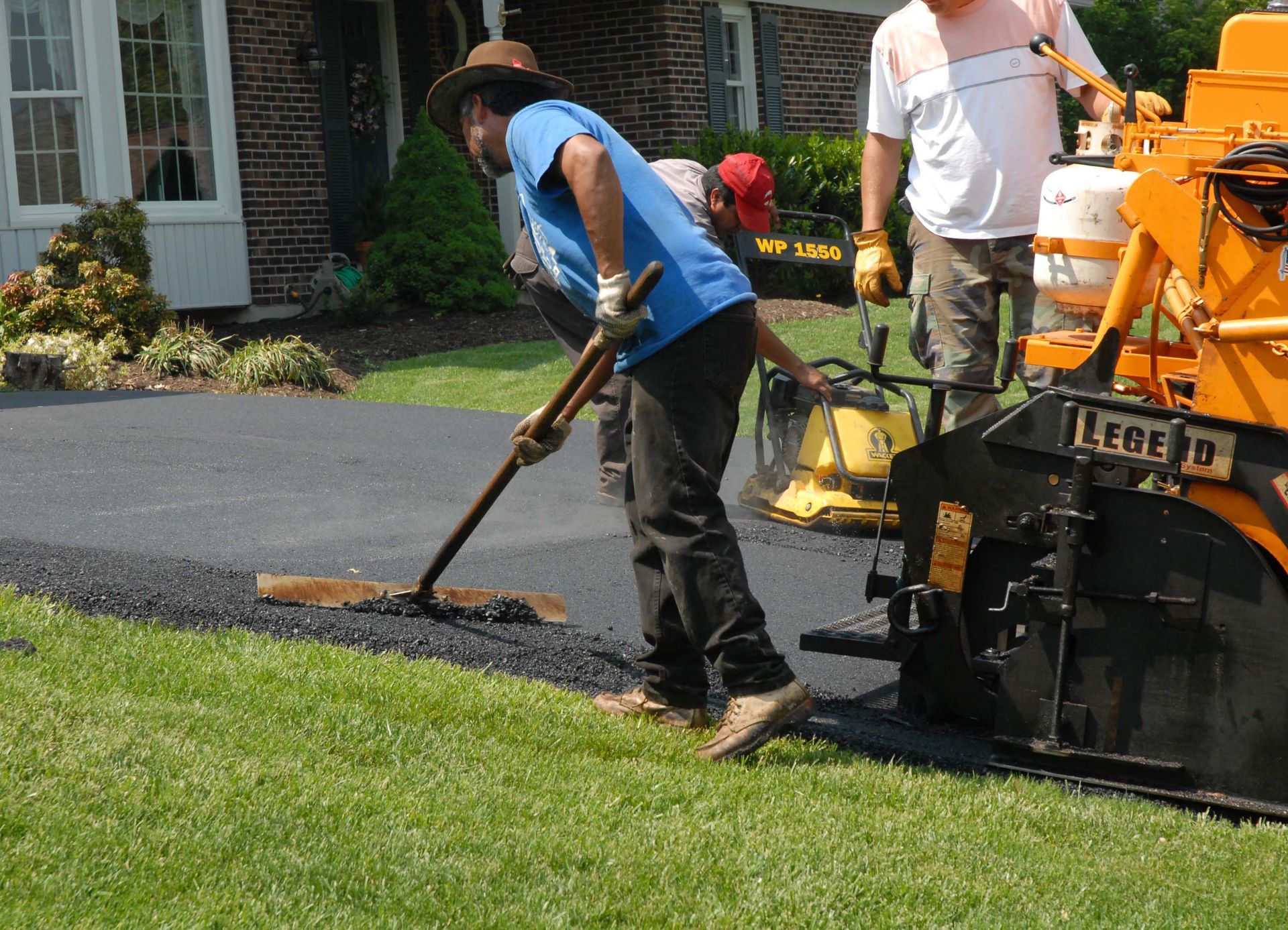
The window of opportunity for successfully installing a durable surface is surprisingly narrow, requiring crews to be exceptionally precise in their timing and logistics. According to the Asphalt Institute, asphalt mixes must be placed and compacted before they cool to 185 degrees Fahrenheit, so the minimum temperature will depend on the temperature of the layer upon which it is being placed, as well as ambient conditions. This thermal requirement means that project managers must carefully monitor weather forecasts and ground temperatures to avoid structural failure.
Because of this rigid thermal requirement, the logistics of transporting the material from a hot-mix plant to the job site are highly choreographed. If the material drops below the necessary temperature threshold before it can be properly compacted, the resulting surface may be brittle or prone to premature cracking. This delicate dance between extreme heat and final compaction is a testament to the technical discipline required for high-quality asphalt paving, turning a seemingly rugged job into a project of extreme precision and mathematical accuracy.
Mastering The Science Of Infinite Recyclability
One of the most surprising and beneficial characteristics of asphalt is its status as one of the most recycled products on the planet. Unlike many other construction materials that end up in landfills, old asphalt is regularly reclaimed, crushed, and reintegrated into new pavement mixtures. This process does not sacrifice structural integrity, allowing for a circular economy that significantly reduces the environmental footprint of road maintenance and new construction projects alike.
When a roadway reaches the end of its functional life, contractors do not simply discard the surface; they harvest it as a valuable resource. By utilizing reclaimed materials in modern asphalt paving, engineers are able to conserve virgin aggregates and reduce the amount of bitumen binder required from petroleum refining. This commitment to sustainability ensures that our infrastructure can be maintained without constant demand for new raw materials, proving that asphalt is a model for environmental responsibility in the heavy construction sector.
Observing The Structural Resilience Of Flexible Surfaces
Asphalt is often referred to as a "flexible" pavement, a term that describes its ability to handle loads through minor deformations that return to their original state. This elasticity is crucial in regions that experience significant seasonal temperature swings, as the material can expand and contract without shattering. This flexibility allows the road to adapt to the shifting ground underneath, providing a smoother and more resilient ride than rigid alternatives like concrete.
The engineering behind this flexibility is a combination of the binding agent, bitumen, and the carefully graded stone aggregates that create the skeleton of the pavement. By varying the proportions of these ingredients, engineers can design surfaces tailored for light residential traffic or the heavy, repetitive loads of interstate trucking. This ability to tailor the performance characteristics of asphalt paving makes it an incredibly versatile solution, capable of surviving harsh winters and sweltering summers while maintaining its load-bearing capacity for decades.
Analyzing The Surprising Economic Advantages
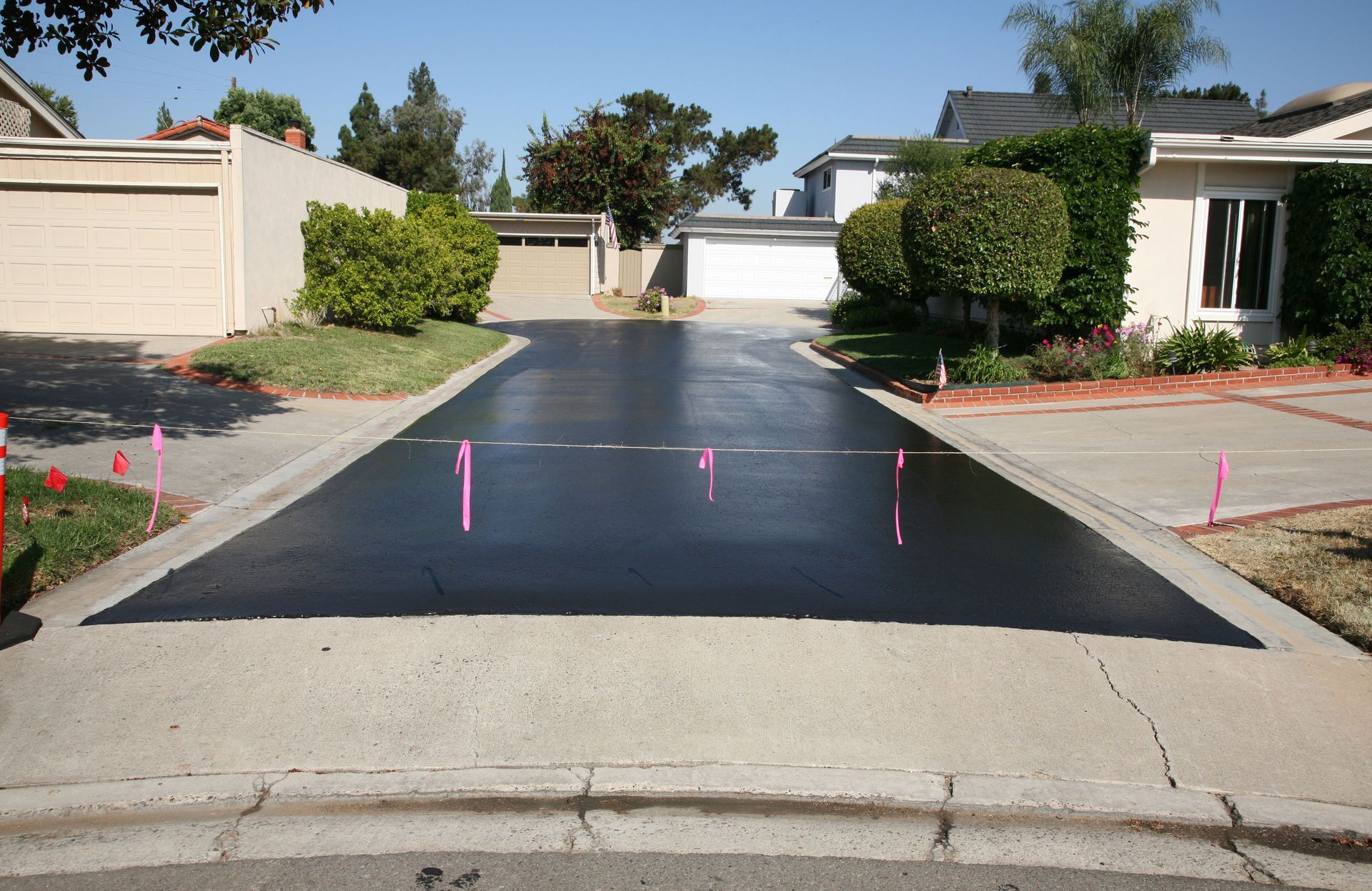
Beyond durability and sustainability, the economic reality of asphalt often surprises municipal planners and private developers. Because the material can be laid and opened to traffic almost immediately after it cools, it minimizes the downtime associated with construction. For busy businesses or main thoroughfares, this rapid turnaround time represents a massive saving in indirect costs, as traffic flow and customer access are disrupted for the shortest duration possible.
The modular nature of this material allows for targeted repairs rather than complete overhauls. If a specific section of a surface fails, a crew can mill out just that damaged portion and replace it with a fresh patch, blending it seamlessly with the existing structure. This surgical approach to maintenance is a stark contrast to more rigid materials that might require complete demolition of a slab. By choosing asphalt paving, property owners can protect their long-term investment through manageable, cost-effective maintenance schedules that keep the surface in excellent condition for much longer than expected.
Evaluating The Influence Of Advanced Additives
Modern technology has revolutionized the composition of pavement, with scientists constantly developing new polymers and additives to enhance performance. These chemical enhancements can make a surface more resistant to oxidation, oxidation-induced cracking, or rutting caused by heavy vehicles. By modifying the molecular structure of the asphalt binder, engineers can create specialized mixtures that withstand intense UV radiation, heavy rainfall, or extreme weight loads that would have destroyed older iterations of the material.
The inclusion of these additives has turned a standard construction task into a field of high-end material science. These modifications mean that today’s roads are fundamentally different from those laid even twenty years ago. As research continues to advance, the potential for "smart" surfaces, which might include noise-dampening properties or the ability to reflect heat to reduce urban warming, is becoming a reality. The ongoing evolution of these mixtures ensures that the industry will continue to provide innovative solutions to the infrastructure challenges of the future.
The world of asphalt is far more complex and fascinating than one might assume from a casual glance at a driveway. From its deep roots in ancient history to the high-tech, chemically engineered mixtures of today, the industry represents a sophisticated fusion of traditional construction techniques and modern environmental science. Understanding these facts allows property owners and taxpayers to appreciate the incredible value that proper installation and maintenance bring to our daily lives.
Ultimately, the goal of any asphalt paving project is to provide a durable, safe, and sustainable surface that facilitates movement and commerce. By recognizing the importance of thermal regulation, the benefits of recycling, and the inherent flexibility of the material, we can make better decisions regarding our infrastructure. When we respect the engineering behind our roads, we ensure that our investments remain sound, our travel remains smooth, and our communities continue to thrive on the reliable foundation of asphalt. If you are considering a new driveway or paving project in the Colorado Springs, CO area, contact the asphalt paving professionals at TBS Asphalt today.